Driving in Ice and Snow: The Highway Code Rules for Winter
Clear every window, leave far more space, use a high gear and brake before the bend. What Highway Code rules 228 to 231 say about ice and snow.

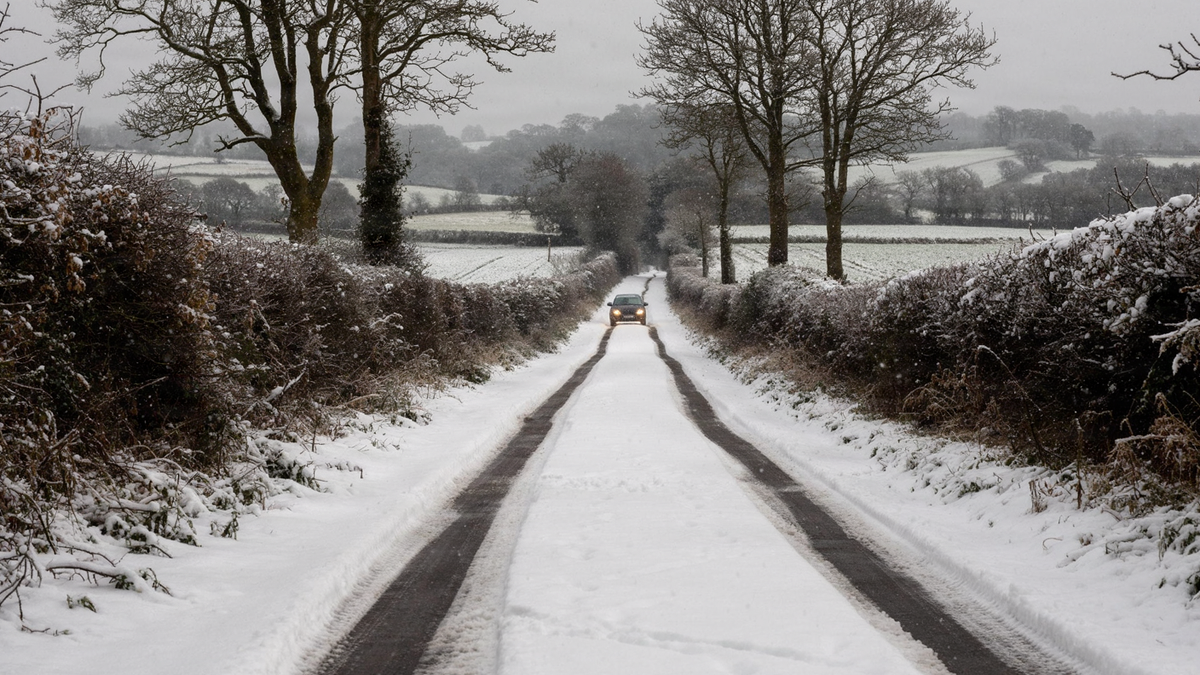
The clocks have gone back and frost is turning up on windscreens. If you have only ever driven in summer, winter is a different job, and the theory test knows it. The Highway Code covers ice and snow in four rules, 228 to 231, in its section on driving in adverse weather. Here is what they say and what they mean once you are actually behind the wheel.
First question: do you need to go?
Rule 228 starts with the step most people skip. Check the forecast for ice or snow warnings, and avoid driving in those conditions unless the journey is essential. If you do go, allow extra time and carry an emergency kit. The Highway Code lists de-icer, an ice scraper and warm clothes, plus a warm drink and some food in case you get stuck.
That can sound fussy until you have sat in a stopped queue on a closed road for two hours. My own addition would be a phone charger and a blanket. They cost next to nothing and live in the boot all winter.
Before you set off: clear every window
Rule 229 contains a MUST, and in the Highway Code MUST means the law. You must be able to see, so you must clear all snow and ice from all your windows. A peephole in the windscreen does not count.
The same rule tells you to clean your lights, make sure your number plates can be seen and read, clear your mirrors, demist the windows properly and remove snow that could fall into the path of other road users. That last one means the roof. Snow sliding down over the windscreen the first time you brake is a classic winter near miss, and a sheet of it flying off into the car behind is worse. Check your route before you leave too, for delays and for more snow on the way.
Stopping distances on ice can be ten times longer
This is the number to learn. Rule 230 says stopping distances on ice can be ten times greater than on dry roads. For wet roads, Rule 227 says they will be at least double. Both figures come up in theory questions, and mixing them up is an easy way to drop a mark. Our guide to stopping distances has tricks for the dry road numbers they are based on.
In practice it means leaving far more room than feels normal. On ice your brakes can do very little if the car in front stops suddenly, so the gap is doing most of the work.
Rule 230 also says to take care even on gritted roads; salt helps, but it can miss patches. Be careful overtaking vehicles spreading salt or de-icer, especially on a motorcycle or bicycle. Do not overtake a snowplough unless the lane you want has been cleared, because ploughs can throw snow out to either side. And expect conditions to change over short distances, so keep an ear on travel bulletins and follow variable message signs.
Driving on ice: slow, gentle, high gear
Rule 231 is the one that shapes how you drive. Avoid sudden actions. Go slowly in as high a gear as possible, and accelerate and brake very gently. Slow down before a bend, do your braking while the car is still going straight, then steer smoothly round.
The high gear advice feels backwards to a lot of learners. The reason is that a higher gear sends less force to the wheels, so they are less likely to spin when you pull away or speed up. For what ABS can and cannot do on a slippery road, and how engine braking fits in, see ABS, engine braking and skids.
The Highway Code also gives two clues that you have hit ice. If the steering suddenly feels light or unresponsive, you may be on it. And tyres make almost no noise on ice, so a sudden quiet from the road is a warning. You can test your grip by braking gently somewhere safe.
What the theory test is likely to ask
Winter questions mostly come back to a handful of facts. Stopping distances on ice can be ten times longer. You must clear all your windows. Use a high gear and gentle controls. Brake before the bend, not in it. If an answer involves sudden braking or a low gear on ice, it is almost certainly wrong. For the rest of the darker evenings rules, including fog lights and dipped headlights, read lights, horn and fog.
Start free at theorytestpassed.co.uk.